Common Entry Points Raccoons Use to Access Buildings
People seeking raccoon removal often want to identify and seal common entry points raccoons use to access buildings, with local service providers ready to help ensure safe and effective exclusion.
Understanding the common entry points raccoons use to access buildings is essential for property owners looking to protect their investments and maintain a safe environment. Raccoons are highly adaptable creatures that often exploit small openings, such as gaps around vents, chimneys, attic vents, and damaged roofing materials, to gain entry. Recognizing these vulnerabilities can help prevent unwanted wildlife from infiltrating structures, reducing potential damage and health concerns associated with raccoon activity. Property owners in the area may find it beneficial to explore this topic to better understand how raccoons access buildings and to learn about effective ways to secure their properties.
When it comes to addressing raccoon entry points, experienced local contractors specializing in raccoon removal can provide valuable assistance. These professionals are skilled at identifying and sealing the common entry points raccoons use, helping to safeguard buildings from future intrusions. By working with trusted service providers, property owners can ensure that their properties are properly protected against raccoon access, ultimately reducing the likelihood of costly damage and disturbances. Keep reading to discover practical insights into raccoon entry points and how local experts can help maintain a raccoon-free property.
- Attic and roof vents - homeowners noticing raccoon entry often need local contractors to seal vents and prevent access.
- Chimney openings - when raccoons are seen entering chimneys, local service providers can install caps or barriers.
- Gable vents and soffits - signs of raccoons in the attic may lead to inspections and sealing of these common entry points by local pros.
- Damaged or loose fascia boards - local contractors can repair or reinforce fascia to block raccoon access points.
- Unsecured attic vents and louvers - service providers typically secure or replace damaged vents to stop raccoons from entering buildings.
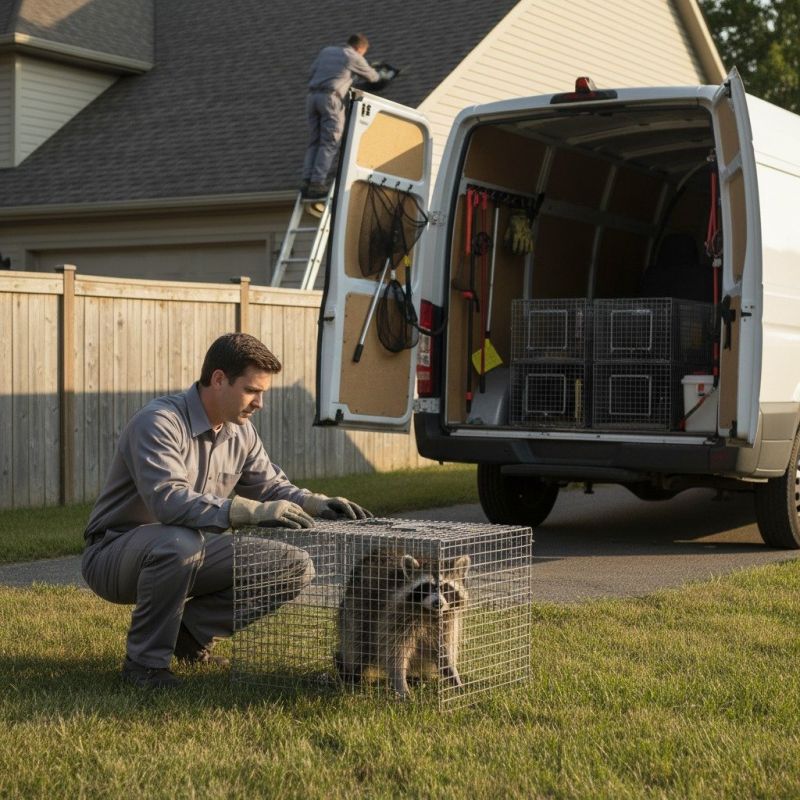
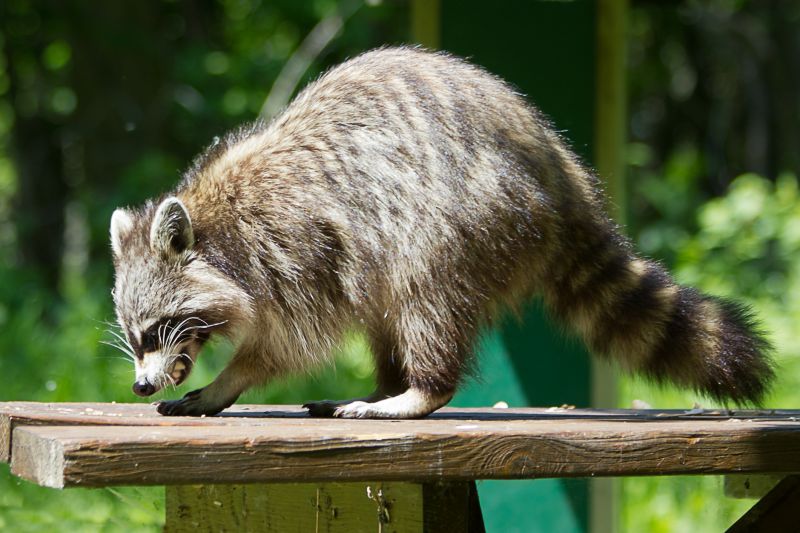
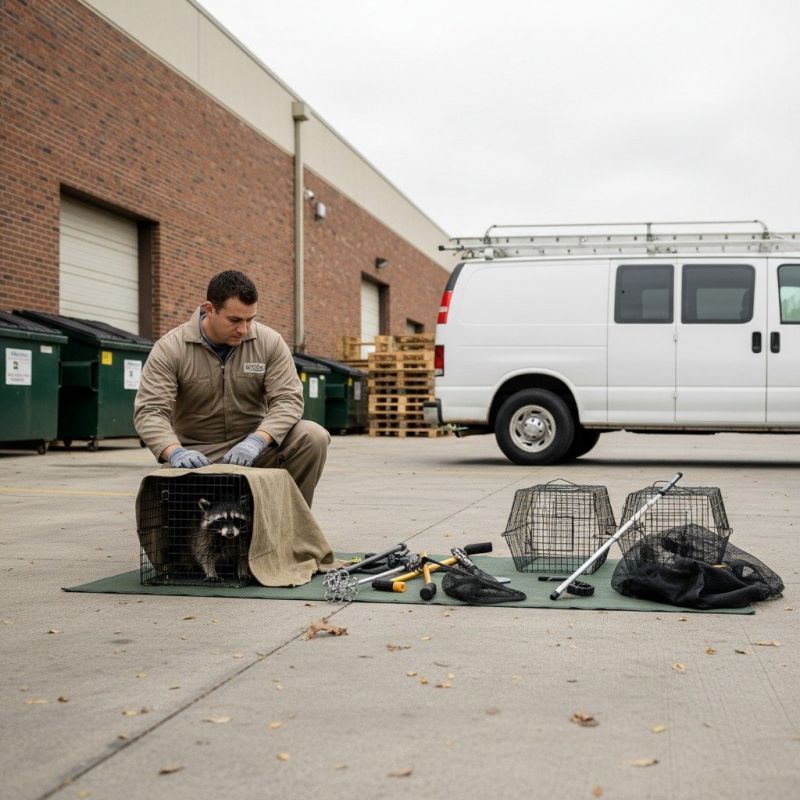
When homeowners search for information about common entry points raccoons use to access buildings, they are usually trying to understand how these animals manage to get inside their properties. This topic often relates to concerns about raccoon infestations, property damage, or the risk of raccoons nesting in or around a building. People may also be planning repairs or preventative measures to stop raccoons from gaining access, making it essential to identify the most likely entry points. Understanding these entry points helps property owners develop effective strategies to exclude raccoons and protect their homes or commercial buildings.
The problems connected with raccoon entry points typically involve unwanted animals inhabiting or damaging the property. Raccoons are known for their resourcefulness and ability to exploit small openings, often leading to issues such as chewed wires, contaminated insulation, or blocked vents. Property owners may also be concerned about raccoons creating nests in attics, crawl spaces, or wall voids, which can lead to odors, noise, and potential health risks. Plans to address these issues often include inspecting the building thoroughly, sealing entry points, and removing any raccoons that have already gained access. Local service providers who specialize in raccoon removal and exclusion are essential partners in these projects, helping ensure that entry points are properly identified and secured.
Properties that typically come up when discussing common entry points raccoons use to access buildings include residential homes, especially those with attics and crawl spaces, as well as commercial structures like warehouses and retail stores. Buildings with gaps around windows, doors, or utility entries are particularly vulnerable. Other common sites include garages, sheds, and barns, where raccoons can easily squeeze through small openings. Older buildings with deteriorated siding, missing shingles, or poorly sealed vents are also at higher risk. These property types often require targeted inspections and repairs to prevent raccoons from re-entering, with local contractors providing the expertise needed to implement effective exclusion measures.
Understanding the common entry points raccoons use to access buildings helps homeowners recognize vulnerabilities and plan appropriate actions. Raccoons are adept at exploiting small holes, gaps, and damaged areas that might seem insignificant. Identifying these points involves inspecting the exterior of the property carefully, focusing on areas like roof vents, soffits, chimneys, and foundation cracks. Once these entry points are identified, local pros can assist with sealing and repairs to prevent future access. This proactive approach is crucial in reducing the risk of raccoon-related problems, ensuring that property owners can maintain a safe and secure environment while relying on experienced service providers to handle the necessary exclusion work.
Home Inspection Projects - inspecting buildings for entry points used by raccoons involves identifying vulnerabilities that allow access, similar to other building inspection services.
Building Repairs and Sealing - sealing gaps, cracks, and entry points is essential in preventing raccoons from entering, aligning with general repair and pest-proofing projects.
Wildlife Exclusion Services - installing barriers and exclusion devices to block raccoon entry points requires planning and tools similar to other wildlife removal projects.
Roofing and Attic Venting - inspecting and repairing roof openings and vent areas helps prevent raccoons from accessing buildings through common entry points.
Structural Reinforcement Projects - strengthening vulnerable areas like soffits and eaves to prevent raccoon entry shares techniques with general building reinforcement work.
Gutter and Drainage System Installations - ensuring gutters and drainage systems do not create access points for raccoons involves skills used in other building access prevention projects.
When evaluating service providers for raccoon removal, it is important to consider their experience with similar projects, particularly those involving common entry points raccoons use to access buildings. An established local contractor with a history of handling wildlife entry issues will have a better understanding of the typical vulnerabilities and effective exclusion techniques. This experience can help ensure that the solutions provided are thorough and tailored to the specific types of access points raccoons often exploit, such as roof vents, chimneys, or gaps around windows and doors.
Clear written expectations are essential when comparing local contractors for raccoon removal services. A reputable provider should be able to outline the scope of work, the methods used to identify entry points, and the steps involved in sealing these vulnerabilities. Having detailed, written information helps prevent misunderstandings and provides a transparent basis for evaluating what each contractor will deliver. It also allows homeowners to compare proposals more effectively and ensure that the work will address all potential entry points to prevent future raccoon visits.
Reputable references and good communication are key factors in selecting a reliable service provider. Asking for references from previous clients who had similar issues can provide insight into the contractor’s effectiveness and professionalism. Additionally, a contractor who communicates clearly and promptly can make the process smoother and more manageable. Good communication ensures that homeowners are well-informed about the progress, findings, and recommended solutions, which is especially important when dealing with the complexities of raccoon entry points and exclusion work.
Property owners often search for common entry points raccoons use to access buildings when they are planning practical projects around their homes and businesses. Local pros provide Raccoon Removal services for everyday jobs and straightforward project options.
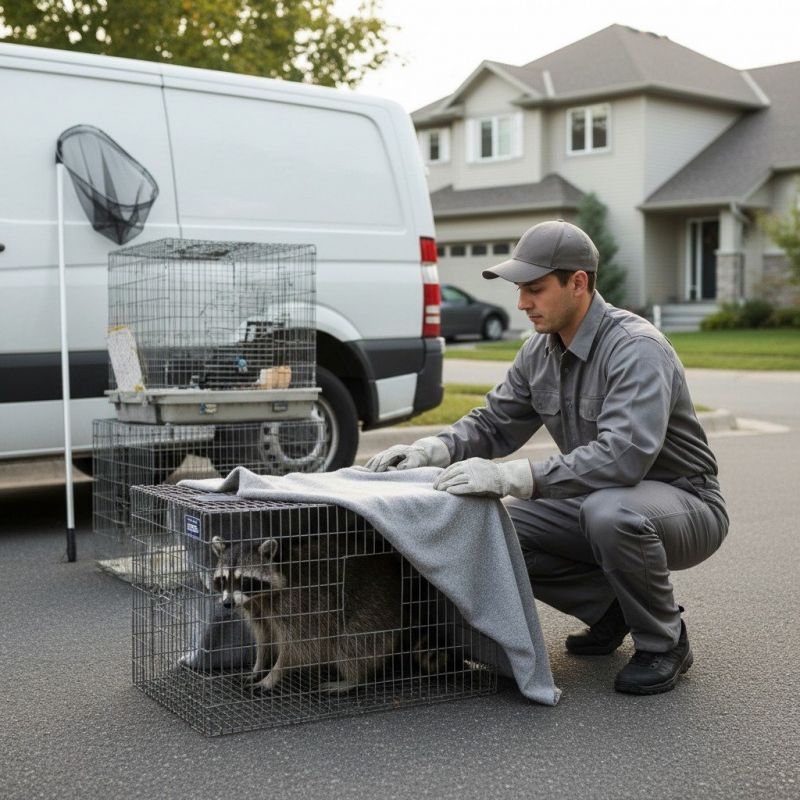
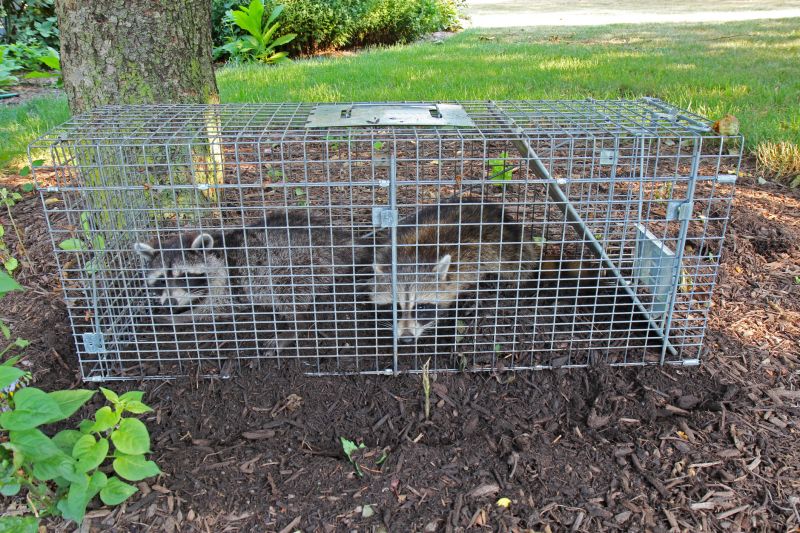
Understanding the common entry points raccoons use to access buildings can help property owners identify vulnerabilities around their properties. Raccoons are known for their agility and resourcefulness, often exploiting small openings such as gaps in roof vents, chimneys, attic vents, or damaged soffits. These animals may also find their way in through unsealed crawl spaces, gaps around utility lines, or poorly secured doors and windows. Recognizing these potential access points can be crucial for preventing unwanted raccoon visits and potential property damage.
When raccoons manage to gain entry, property owners often seek the assistance of local contractors experienced in raccoon removal services. These professionals can assess the property for common entry points and implement effective exclusion methods to prevent future intrusions. Engaging with experienced service providers ensures that entry points are properly sealed and that any existing raccoon activity is safely addressed, helping to protect the property from ongoing wildlife issues.
What are common entry points raccoons use to access buildings? Raccoons often access buildings through roof vents, chimneys, gaps around utility lines, damaged soffits, and open attic vents. Local contractors can inspect these areas to identify potential entry points.
How can I tell if raccoons are entering my building? Signs include visible damage to roof areas, raccoon droppings near entry points, sounds of movement inside walls or attics, and disturbed insulation. Local removal services can confirm and address these issues.
Are there specific building features raccoons prefer to use as entry points? Raccoons favor openings like broken or loose vent screens, unsealed chimney flues, gaps in soffits, and damaged fascia boards that provide easy access to attics or upper floors. Local pros can help seal these vulnerabilities.
What areas around a building are most vulnerable to raccoon entry? Vulnerable areas include roof eaves, vents, chimneys, soffits, and any damaged siding or gaps in the building’s exterior. Local service providers can evaluate and secure these entry points.
How do local pros handle raccoon entry points to prevent future access? They typically inspect for and seal common entry points, install raccoon-proof barriers, and recommend repairs to damaged building features to prevent re-entry. Contacting experts ensures effective exclusion of raccoons.
Identifying Vulnerable Entry Points - property owners can work with local contractors to locate common entry points raccoons use to access buildings and plan effective sealing strategies.
Sealing Gaps and Openings - sealing small gaps around vents, chimneys, and utility lines can prevent raccoons from entering through these common access points.
Installing Raccoon-proof Barriers - using specialized barriers around potential entry points helps keep raccoons out while allowing proper ventilation and drainage.
Regular Inspection and Maintenance - scheduling routine inspections with local pros ensures that any new or overlooked entry points are promptly addressed.
If you are thinking about common entry points raccoons use to access buildings for a property, this guide is meant to help you understand this topic, the typical project types, and how different options might fit your plans.
When you are ready, you can use the quote form on this page to share a few details about your project. From there, local pros can review the basics and follow up with options that match what you have in mind.