Preventing Raccoon Damage to Roofs, Attics, and Siding
People searching for racoon removal are usually trying to prevent raccoons from damaging roofs, attics, and siding, and local contractors can help with effective removal and prevention solutions.
Property owners in the area often find that preventing raccoon damage to roofs, attics, and siding is a key step in maintaining a safe and comfortable home. Raccoons are known for their ability to access hard-to-reach areas, leading to costly repairs and potential health concerns. Exploring effective prevention methods can help protect your property from these clever invaders and their destructive behaviors. Local contractors specializing in raccoon removal and exclusion can provide practical solutions tailored to the unique challenges of your home, ensuring that raccoons are kept out and your property remains secure.
Understanding how raccoons gain entry and what steps can be taken to block their access is essential for homeowners looking to avoid damage. Many property owners find that working with experienced service providers offers the best way to implement effective prevention strategies. These professionals can assess vulnerabilities in roofs, attics, and siding, and recommend targeted measures to keep raccoons from returning. Keep reading to learn more about practical prevention tips and how local experts can assist in safeguarding your home against raccoon damage.
- Raccoon Prevention - homeowners noticing raccoon activity on their roofs or in their attics may seek local pros to implement effective barriers and exclusion methods.
- Attic Raccoon Deterrence - those concerned about raccoons nesting in their attics can rely on local contractors to identify entry points and secure vulnerable areas.
- Siding Protection - property owners experiencing raccoon damage to siding might contact local service providers to install deterrents and reinforce vulnerable spots.
- Roof Damage Prevention - individuals worried about raccoons damaging roof vents or shingles can turn to local pros for inspection and preventative repairs.
- Raccoon Entry Point Sealing - residents noticing raccoons entering their property may seek local contractors to identify and seal access points around roofs and walls.
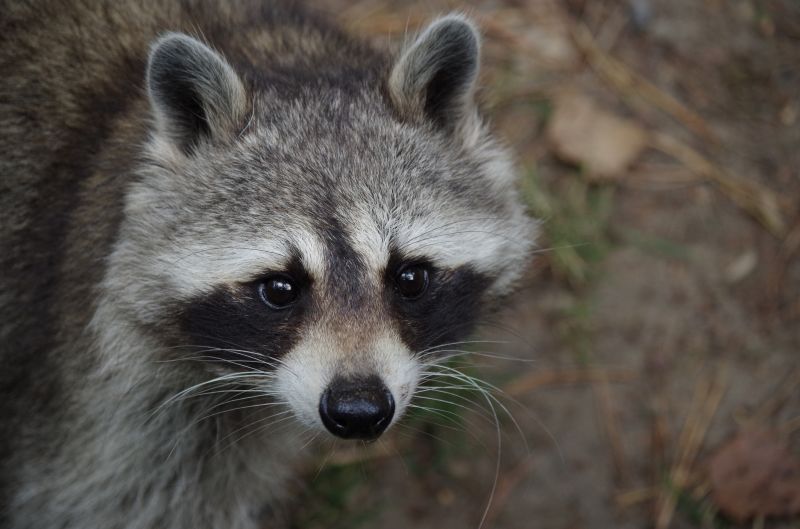
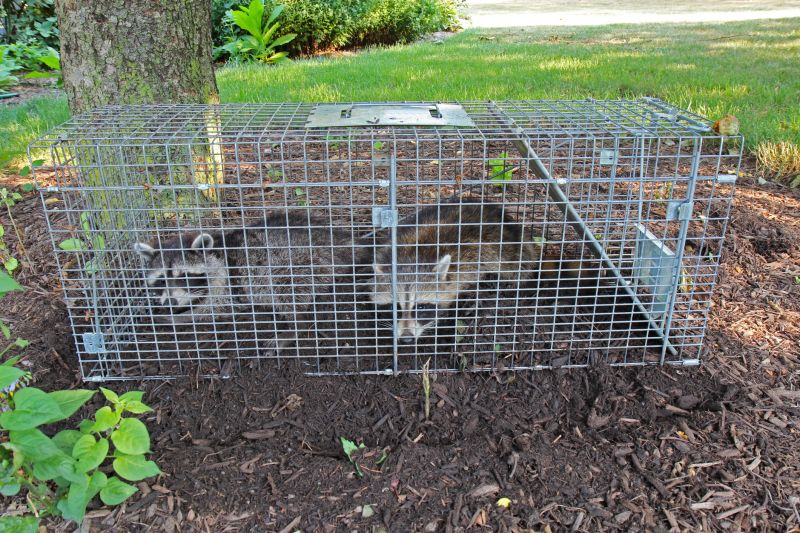

When people search for preventing raccoon damage to roofs, attics, and siding, they are often concerned about the potential for raccoons to cause significant property issues. Raccoons are known for their curiosity and resourcefulness, which can lead them to explore and nest in areas like roofs, eaves, and attics. Homeowners typically want to understand how to keep these animals out of their properties to avoid damage such as chewed wiring, torn insulation, or structural harm. The focus is usually on identifying vulnerabilities in the home’s exterior and learning effective strategies to deter raccoons before they establish a presence.
This topic relates closely to problems like raccoon entry points, nesting habits, and property damage. Many property owners are planning or considering repairs to seal gaps, install barriers, or reinforce vulnerable areas to prevent raccoon intrusion. Others may have already experienced raccoon activity and are seeking ways to remove animals safely and prevent future visits. Addressing these issues often involves a combination of exclusion techniques, habitat modification, and sometimes removal services. Local service providers who specialize in raccoon removal and exclusion can help implement these solutions effectively, ensuring that homes are protected against raccoon damage in the long term.
Properties most commonly affected by raccoon damage include residential homes, especially those with accessible attics, roof vents, or gaps in siding. Homes with mature trees close to the structure can also be at higher risk, as raccoons may use branches to access roofs or eaves. Attics are a favorite nesting spot because they provide shelter and safety, making them vulnerable to raccoon activity. In some cases, barns, sheds, or other outbuildings may also be targeted if they have openings or weak points. Recognizing the types of properties at risk helps homeowners understand where to focus prevention efforts and when to seek the assistance of local contractors who can perform exclusion work.
Preventing raccoon damage to roofs, attics, and siding is a practical project that often involves inspecting for vulnerabilities and installing protective barriers. Many property owners find it helpful to work with local pros who specialize in raccoon exclusion and removal, as these experts understand how to identify entry points and implement effective deterrents. From sealing gaps around vents and chimneys to installing animal-proof fencing or one-way doors, these professionals can help create a barrier that discourages raccoons from returning. Engaging experienced service providers ensures that the prevention measures are thorough and tailored to the specific property, reducing the risk of future raccoon-related damage and protecting the home’s structural integrity.
Roof Repair and Reinforcement - local contractors specializing in roof repair can help strengthen vulnerable areas to prevent raccoon entry and damage.
Attic Insulation and Ventilation - experts in attic upgrades can ensure proper ventilation and insulation, reducing raccoon attraction and entry points.
Siding Repair and Replacement - service providers skilled in siding work can seal gaps and repair damage caused by raccoons attempting to access attics or roofs.
Wildlife Exclusion Services - professionals offering exclusion solutions can help seal entry points to keep raccoons out of roofs and attics.
Pest Proofing and Deterrent Installation - local pros can install barriers and deterrents to discourage raccoons from approaching or nesting near homes.
Gutter and Eaves Maintenance - specialists in gutter and eaves repair can address damage that raccoons may exploit to gain access to roofs and attics.
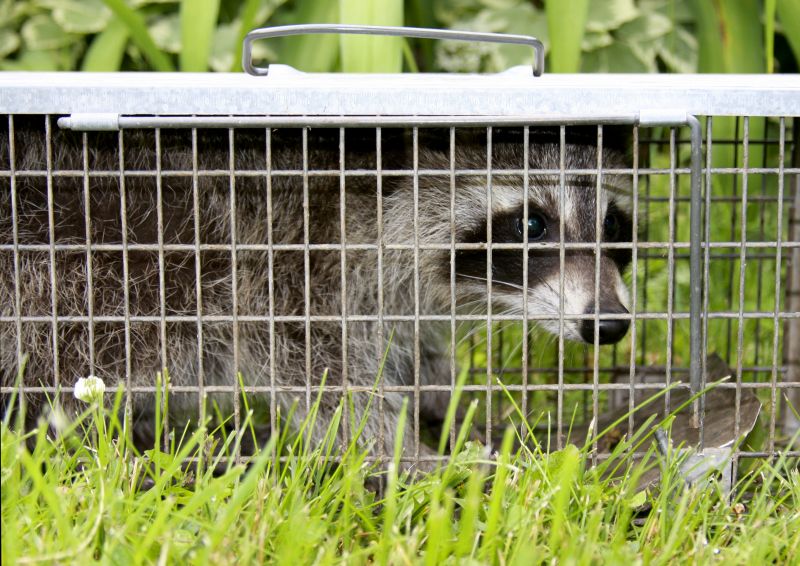
When evaluating service providers for preventing raccoon damage to roofs, attics, and siding, it is important to consider their experience with similar projects. Homeowners should inquire about how long a contractor has been handling raccoon-related issues and whether they have successfully completed comparable jobs in the past. A contractor with a proven track record in raccoon prevention can offer insights into effective strategies and solutions tailored to specific property types and environments, increasing the likelihood of a successful outcome.
Clear written expectations are essential when choosing a local contractor for raccoon removal and prevention services. Homeowners should seek detailed descriptions of the scope of work, including what measures will be taken to prevent raccoons from re-entering the property and how potential damage will be addressed. Having a comprehensive understanding of the process helps ensure that both parties are aligned on the project goals and reduces misunderstandings or surprises during the work. Well-defined expectations also serve as a basis for evaluating the quality and thoroughness of the services provided.
Reputable references and good communication are key factors to consider when comparing local contractors. Homeowners can ask for recommendations or reviews from previous clients who experienced similar raccoon issues, providing insight into the contractor’s reliability and effectiveness. Additionally, a contractor who communicates clearly and promptly can help address questions or concerns throughout the project, fostering a smoother process. Prioritizing providers known for transparency and responsiveness can lead to a more confident decision and a higher likelihood of successfully preventing raccoon damage to the property.
Property owners often search for preventing raccoon damage to roofs, attics, and siding when they are planning practical projects around their homes and businesses. Local pros provide Racoon Removal services for everyday jobs and straightforward project options.
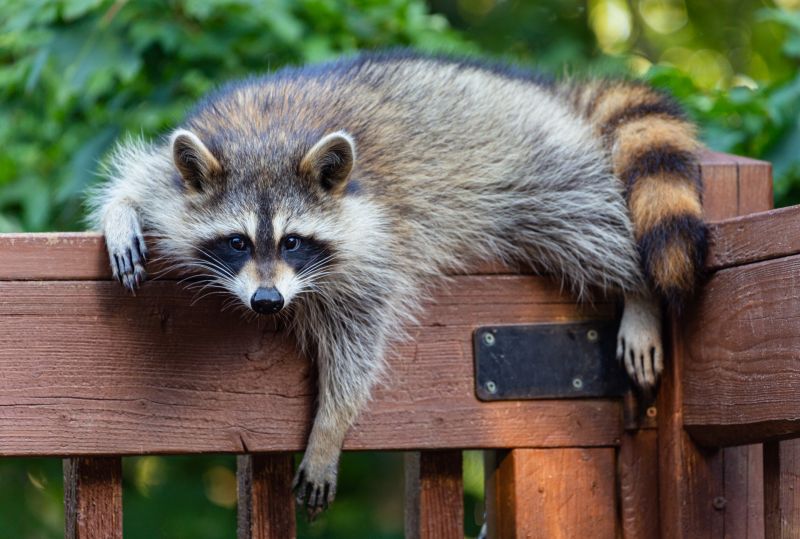
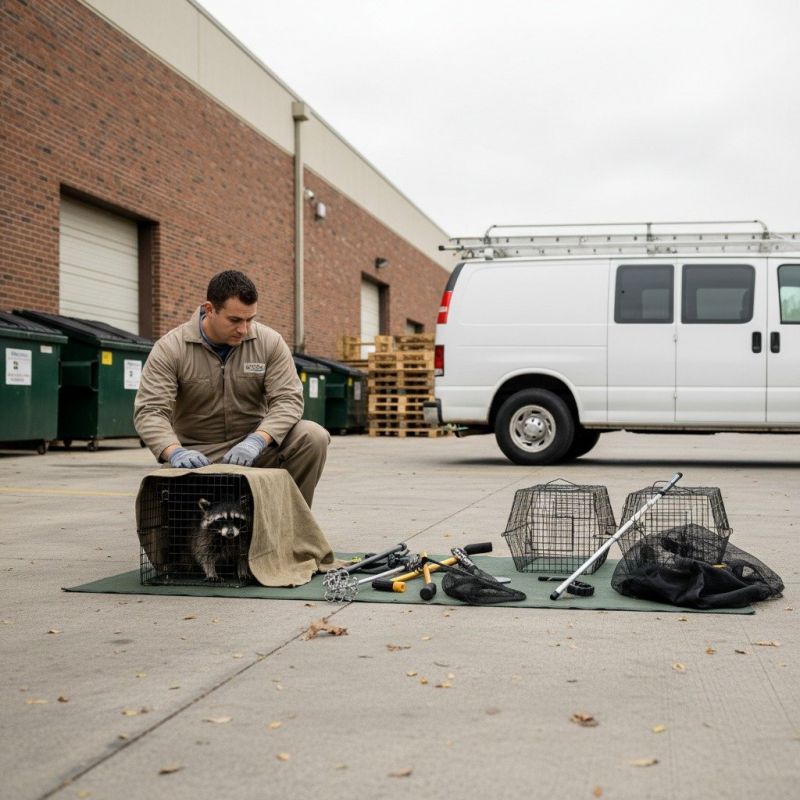
Homeowners in the area often look up information on preventing raccoon damage to roofs, attics, and siding after noticing raccoons rummaging around or causing visible destruction. Raccoons are known for squeezing through small openings and nesting in attics, which can lead to significant damage, unpleasant odors, and potential health concerns. Property owners might seek out local contractors who specialize in raccoon removal services to help secure vulnerable areas, eliminate existing pests, and prevent future intrusions that could compromise the integrity of their homes.
Many individuals turn to local service providers when they want effective solutions to keep raccoons out of their homes. Simple steps like sealing entry points, installing barriers, and inspecting roof and siding vulnerabilities are common ways to prevent raccoon damage to roofs, attics, and siding. Connecting with experienced local contractors ensures that these preventative measures are properly implemented, reducing the risk of costly repairs and ongoing raccoon issues. This approach helps property owners protect their homes while avoiding the inconvenience of repeated raccoon encounters.
How can local contractors help prevent raccoon damage to roofs and attics? They can install raccoon-proof barriers, secure entry points, and recommend maintenance practices to keep raccoons from accessing vulnerable areas.
What are common signs of raccoon activity on a home’s exterior? Signs include visible damage to siding or roofing, raccoon tracks, droppings near entry points, and noises coming from the attic or walls.
Are there effective methods to raccoon-proof a home’s siding? Yes, local service providers can reinforce siding with raccoon-resistant materials and seal gaps to prevent raccoons from gaining entry or causing damage.
Can local pros help remove raccoons that have already entered a home? Yes, they can safely remove raccoons from attics or other spaces and then implement measures to prevent future intrusions.
What steps do service providers recommend for ongoing prevention of raccoon damage? Regular inspections, sealing potential entry points, and installing deterrents are common strategies used by local contractors to protect homes from raccoon damage.
Sealing entry points - Identifying and sealing gaps around vents, chimneys, and eaves can prevent raccoons from gaining access to roofs and attics with help from local contractors.
Installing barriers - Adding wire mesh or fencing around vulnerable areas can deter raccoons from climbing onto siding or roofs, with local pros providing professional installation.
Trimming tree branches - Keeping nearby trees pruned away from roofs reduces raccoon pathways and access points, and local service providers can assist with safe trimming.
Securing vents and chimneys - Installing protective caps on vents and chimneys helps block raccoon entry, with local contractors offering effective barrier solutions.
If you are thinking about preventing raccoon damage to roofs, attics, and siding for a property, this guide is meant to help you understand this topic, the typical project types, and how different options might fit your plans.
When you are ready, you can use the quote form on this page to share a few details about your project. From there, local pros can review the basics and follow up with options that match what you have in mind.