Why Raccoons Target Garbage Areas and Move Into Nearby Homes
People searching for raccoon removal are usually trying to prevent raccoons from accessing garbage and homes, and local service providers can help with safe, effective removal.
Many property owners notice raccoons frequently targeting garbage areas and sometimes moving into nearby homes, especially during certain times of the year. Understanding why raccoons are drawn to these spaces can help residents take practical steps to protect their property and prevent unwanted encounters. Raccoons are highly adaptable creatures that seek easy access to food, and unsecured trash cans or open waste areas provide a convenient source. When raccoons find abundant food nearby, they often explore further, increasing the likelihood of them entering homes in search of shelter or additional resources.
For those dealing with raccoon activity, connecting with experienced local contractors who specialize in raccoon removal can be an effective way to address the issue. These professionals understand raccoon behavior and can help identify vulnerabilities in property defenses, such as gaps in siding or open vents, that attract raccoons. By taking proactive measures, property owners can reduce the chances of raccoons moving into homes and ensure their property remains secure. Keep reading to learn more about how local experts can assist in safely managing raccoon problems and maintaining a raccoon-free environment.
- Raccoon removal - is needed when raccoons are attracted to accessible garbage and local contractors implement exclusion and cleanup strategies.
- Garbage area cleanup - helps prevent raccoons from returning by removing attractants, with service providers focusing on securing trash and eliminating food sources.
- Home entry prevention - is essential when raccoons have moved into nearby homes, with pros sealing entry points and advising on habitat modifications.
- Wildlife exclusion - is performed to block raccoon access points around properties, using humane barriers and deterrents to discourage future visits.
- Habitat modification - involves altering yard and outdoor areas to reduce attractants, with local experts guiding property owners on effective removal of raccoon attractors.
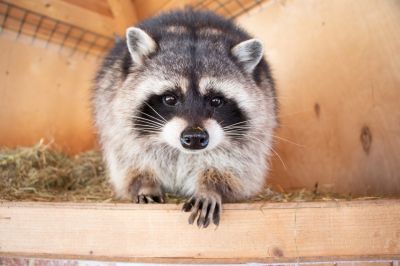

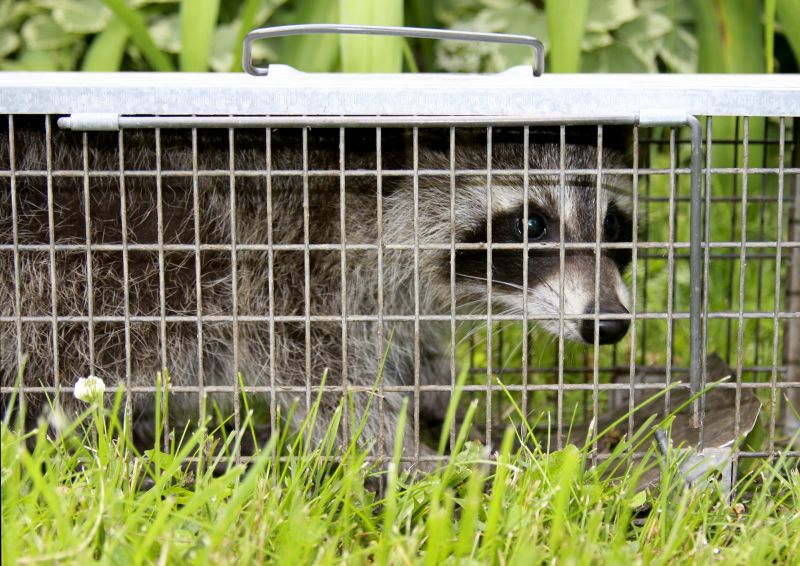
Understanding why raccoons target garbage areas and move into nearby homes is a common concern among homeowners dealing with nuisance wildlife. When people search for this topic, they are often looking for explanations about raccoon behavior and what attracts these animals to residential neighborhoods. Many are experiencing raccoons rummaging through trash cans, making messes in yards, or even entering homes or attics. The goal is to identify the factors that draw raccoons close to human dwellings so that effective strategies can be developed to prevent or manage these encounters. Homeowners may also be interested in learning how to protect their property and ensure safety by addressing the root causes of raccoon activity.
This topic relates closely to problems such as property damage, sanitation issues, and potential health risks associated with raccoons. For many homeowners, the plan involves understanding how raccoons find their way into trash areas and what makes homes attractive targets. This knowledge can guide efforts to secure garbage cans, eliminate attractants, and implement humane exclusion methods. It is common for property owners to seek assistance from local contractors who specialize in wildlife removal and property protection. These professionals can evaluate the property, identify vulnerabilities, and recommend practical solutions to reduce the likelihood of raccoons moving into homes or causing damage.
The types of properties most often involved in raccoon activity include suburban neighborhoods, rural farms, and even urban settings with accessible green spaces. Residential yards with accessible trash, compost bins, or pet food are frequent targets. Attics, garages, and crawl spaces also provide ideal shelter for raccoons seeking a safe place to rest or raise young. Homes with poorly sealed entry points or unsecured outdoor storage are especially susceptible to raccoon intrusion. Recognizing these property features helps homeowners understand the importance of proper sanitation, exclusion techniques, and professional assistance in addressing raccoon-related issues effectively.
For homeowners facing ongoing raccoon problems, connecting with experienced service providers is an essential step. Local wildlife removal specialists can assess the situation, identify why raccoons are targeting specific areas, and implement humane removal and exclusion methods. These professionals help ensure that trash areas are secured, entry points are sealed, and potential attractants are eliminated. By working with local contractors who understand raccoon behavior and property vulnerabilities, homeowners can develop tailored plans to reduce raccoon activity and prevent future problems. This approach helps protect property value and minimizes the risks associated with raccoon encounters.
Wildlife exclusion projects involve installing barriers and escape routes to prevent raccoons from entering homes, similar to securing garbage areas from raccoon access.
Home inspection services help identify vulnerabilities in property structures that attract raccoons, enabling targeted removal and prevention strategies.
Animal proofing services focus on sealing entry points and securing trash containers, aligning with efforts to reduce raccoon visits and movement into homes.
Pest proofing projects include blocking access points and managing attractants, which are essential for preventing raccoons from targeting garbage and moving indoors.
Habitat modification services involve altering outdoor environments to make them less appealing to raccoons, reducing their tendency to target garbage areas.
Structural repair projects address damaged or vulnerable areas that raccoons may exploit, supporting efforts to keep them away from homes and trash zones.
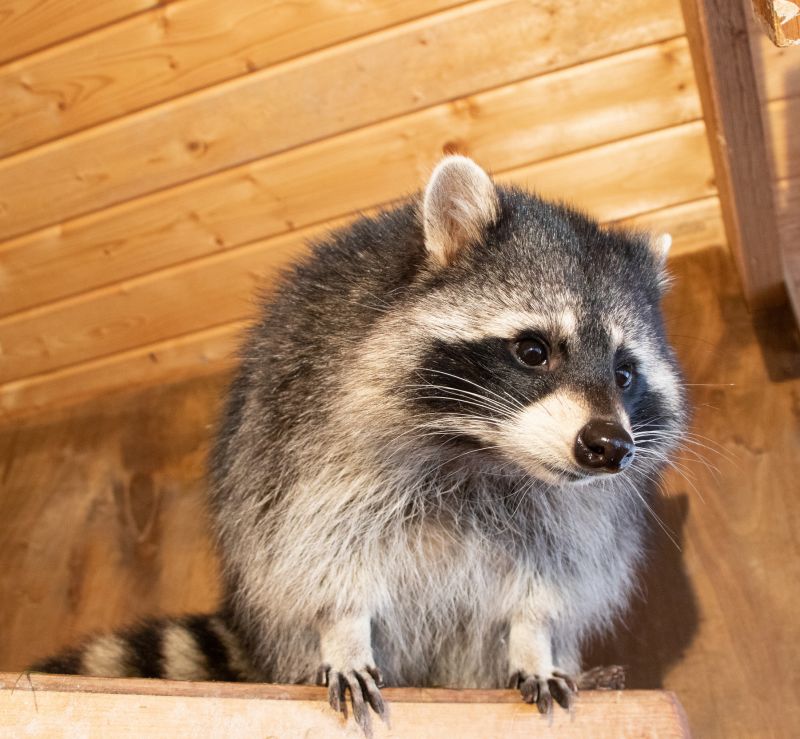
When comparing service providers for raccoon removal, it is important to consider their experience with similar projects. Local contractors who have handled cases involving raccoons targeting garbage areas and moving into nearby homes are more likely to understand the common entry points and behaviors of these animals. An experienced professional can identify potential vulnerabilities in a property and recommend effective strategies to prevent future intrusions, ensuring that the removal process is thorough and tailored to the specific situation.
Clear written expectations are essential when evaluating different service providers. Homeowners should seek detailed descriptions of the scope of work, including how the raccoons will be removed, what steps will be taken to secure garbage areas, and any follow-up measures needed to prevent re-entry. Having this information in writing helps set realistic goals and provides a reference point throughout the project, reducing misunderstandings and ensuring that the homeowner’s concerns about raccoon activity are addressed comprehensively.
Reputable references and good communication are key factors to consider when choosing a local contractor for raccoon removal. Service providers who can provide references from previous clients or examples of similar projects demonstrate a history of reliable work. Additionally, clear and responsive communication allows homeowners to ask questions, express specific concerns, and receive updates during the process. This transparency helps ensure that the removal efforts align with the homeowner’s expectations and that any issues are addressed promptly, leading to a smoother experience overall.
Property owners often search for why raccoons target garbage areas and move into nearby homes when they are planning practical projects around their homes and businesses. Local pros provide Raccoon Removal services for everyday jobs and straightforward project options.
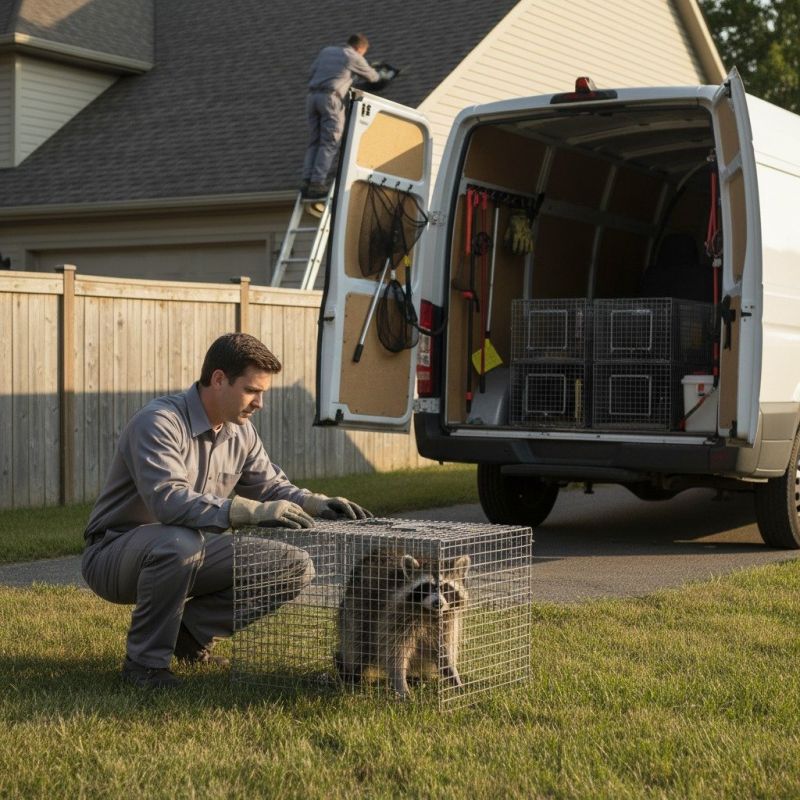
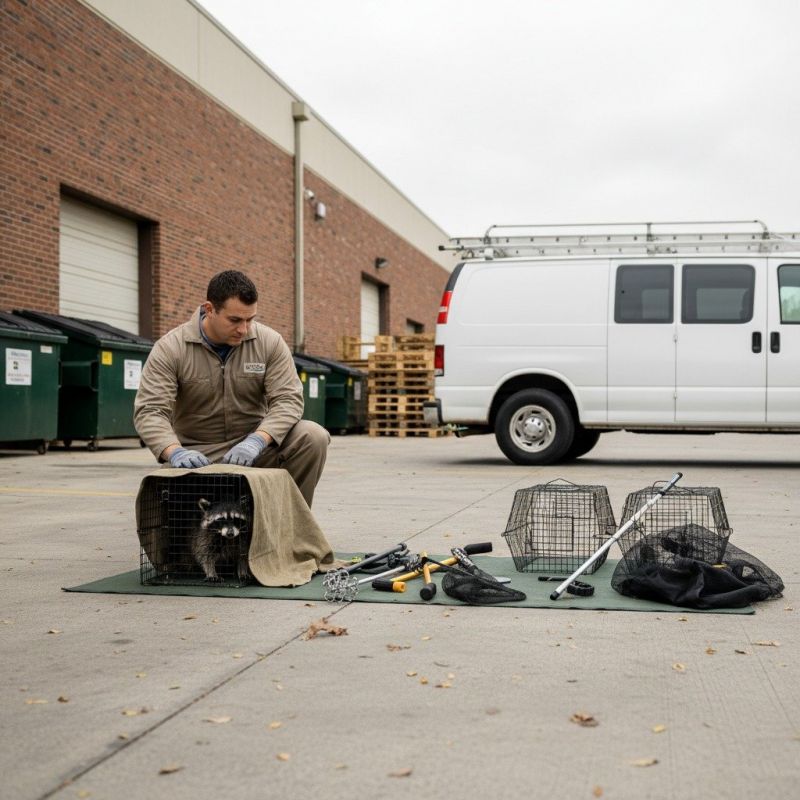
Raccoons are naturally attracted to areas where food is easily accessible, which is why they often target garbage areas in residential neighborhoods. Unsecured trash cans, open dumpsters, and leftover food scraps provide an abundant and convenient food source for these animals. When raccoons find a reliable food supply near homes, they may become more comfortable venturing closer, increasing the chances of them moving into nearby residences in search of shelter or additional resources. Property owners noticing raccoons rummaging through their trash or frequenting their yards might consider reaching out to local contractors experienced in raccoon removal to address the situation safely and effectively.
Understanding why raccoons target garbage areas and move into nearby homes can help property owners take proactive steps to prevent unwanted visits. Local service providers can assess the property for vulnerabilities, such as open access points or poorly secured trash storage, and recommend appropriate exclusion methods. These experts can help eliminate attractants and ensure that raccoons are kept at a safe distance, reducing the likelihood of them establishing residence or causing damage within the home. Connecting with experienced raccoon removal professionals can be a practical solution for those seeking effective and humane management of these animals.
Why do raccoons target garbage areas? Raccoons are attracted to accessible food sources, and garbage areas often provide an easy and abundant supply of food, encouraging raccoons to frequent these spots.
What causes raccoons to move into nearby homes? Raccoons may move into homes when they find shelter and food sources close by, especially if they discover unsecured entry points or if the environment around the home offers easy access to food like trash or pet food.
How can local contractors help prevent raccoon incursions? Local service providers can assist with securing trash containers, sealing entry points, and implementing exclusion methods to keep raccoons from entering homes and property areas.
Are there specific signs that raccoons are targeting my property? Signs include disturbed trash, raccoon tracks or droppings, damaged screens or vents, and sightings of raccoons near your home or yard.
Why is it important to address raccoon activity promptly? Addressing raccoon activity early helps prevent property damage, reduces health risks associated with droppings and pests, and minimizes the likelihood of raccoons moving further into homes or neighboring areas.
Secure garbage areas - property owners can work with local contractors to install sturdy lids and barriers that prevent raccoons from accessing trash, reducing attractants near homes.
Eliminate hiding spots - clearing brush, debris, and dense vegetation around the property can make the area less appealing for raccoons seeking shelter or food sources.
Proper waste disposal - using animal-proof trash cans and scheduling regular waste removal helps prevent raccoons from being drawn to the property’s garbage.
Inspect and seal entry points - local service providers can identify and seal potential entry points in attics, basements, or walls to prevent raccoons from moving into homes after targeting nearby trash.
If you are thinking about why raccoons target garbage areas and move into nearby homes for a property, this guide is meant to help you understand this topic, the typical project types, and how different options might fit your plans.
When you are ready, you can use the quote form on this page to share a few details about your project. From there, local pros can review the basics and follow up with options that match what you have in mind.